In the previous post we learned what cloud computing and the cloud are. In this post we’ll look at the basic components and characteristics that a cloud must have.
Components of the Cloud
The diagram below shows the main components of the cloud.
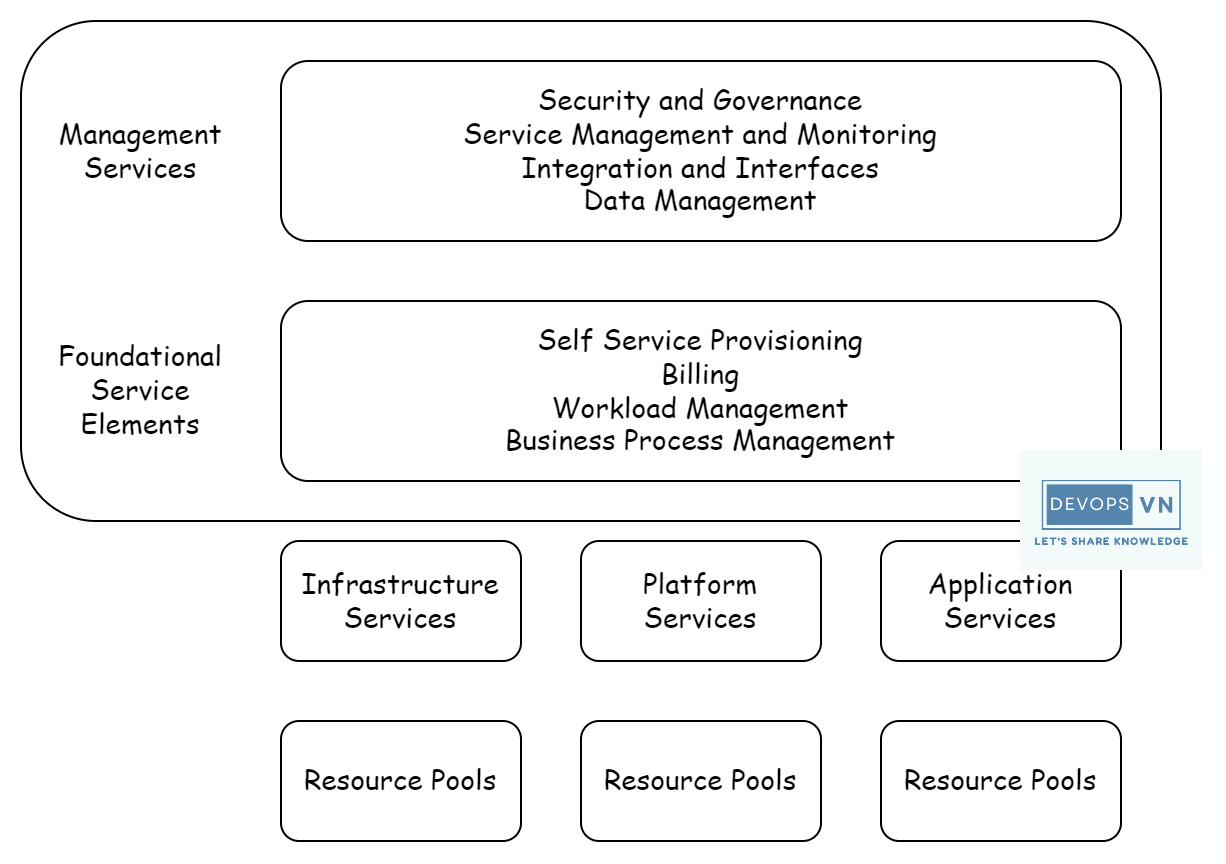
There are four parts:
- Resource Pools
- Cloud Models
- Foundational Service Elements
- Management Services
We’ll work from the bottom up, starting with Resource Pools.
Note: I’ll keep the technical terms in their original English form.
Resource Pools
A Resource Pool is where shareable resources live — it’s the most fundamental component of the cloud.
Resource Pools are designed around a multi-tenant service architecture, a style of architecture that lets many users share the same computing resources while keeping each user’s configuration and data isolated so that only they can access it.
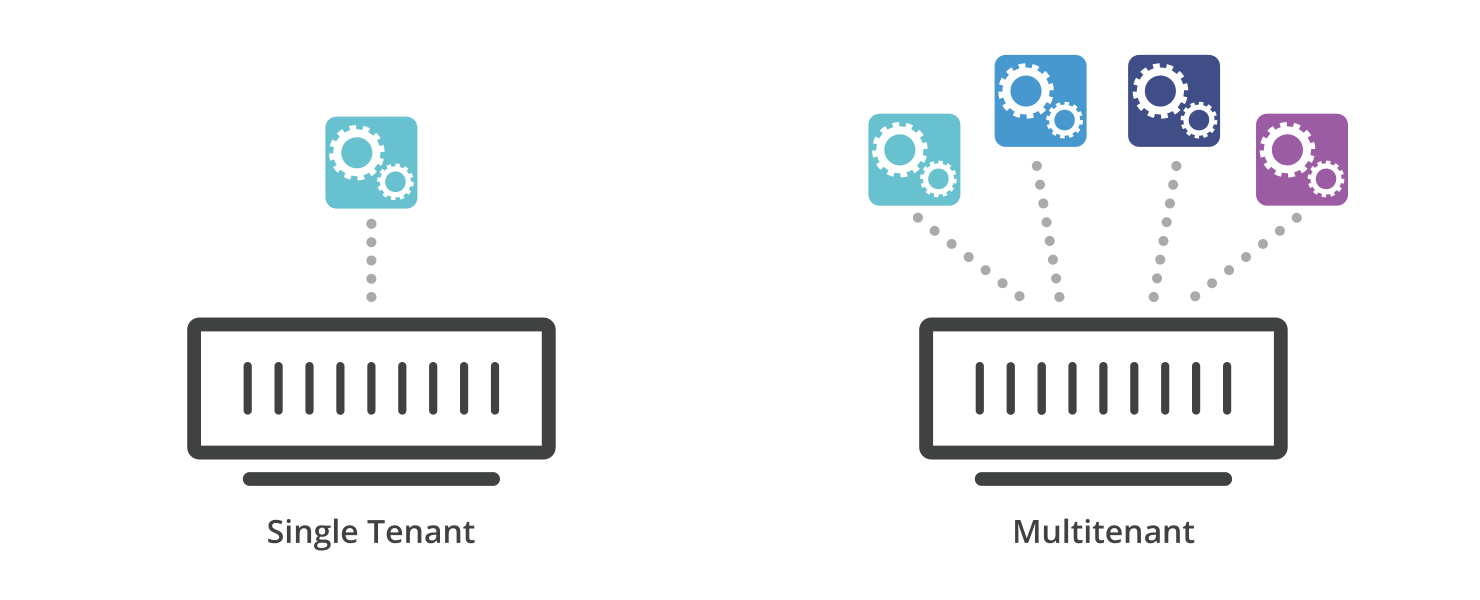
With a multi-tenant architecture, cloud providers don’t need to copy their software for each individual user. Instead, all users share the same software to access cloud resources while still keeping their data independent from other users.
From these Resource Pools, cloud providers distribute their services through different models, called Cloud Delivery Models.
Cloud Delivery Models
The common delivery models are:
- Infrastructure as a Service
- Platform as a Service
- Software as a Service
Infrastructure as a Service (IaaS)
IaaS is a service model that provides infrastructure and computing resources to users over the Internet. As long as they have Internet access, they can request resources to use.
With a public cloud, a user simply needs a credit card and an Internet connection — from anywhere, they can request resources from the cloud, and when they no longer need them, they just turn the service off.
With a private cloud, users request resources from the company’s IT department based on company policy.
Platform as a Service (PaaS)
PaaS is a model that combines IaaS with a set of ready-made software services so users can deploy their applications as quickly as possible.
For example, on AWS, deploying a website with Node.js normally requires you to:
- Create an EC2 instance
- Access the EC2 instance and install Node.js- or Docker-related software
- Configure a web service such as Nginx and do many other things to get Node.js running
AWS provides a PaaS service called Elastic Beanstalk that has everything ready — with just a few simple actions in the Web Console, you get a website running Node.js.
The simplest way to explain PaaS: it’s IaaS where all the necessary software is already in place.
Software as a Service (SaaS)
Software as a Service delivers software to users, and users pay monthly or yearly to use it — for example Jira Cloud, OneDrive, Terraform Cloud, and so on.
SaaS is considered the future of the software industry.
From these Cloud Delivery Models, providers build the characteristics a cloud must have to serve users. These are split into Foundational Services and Management Services.
Foundational Service Elements
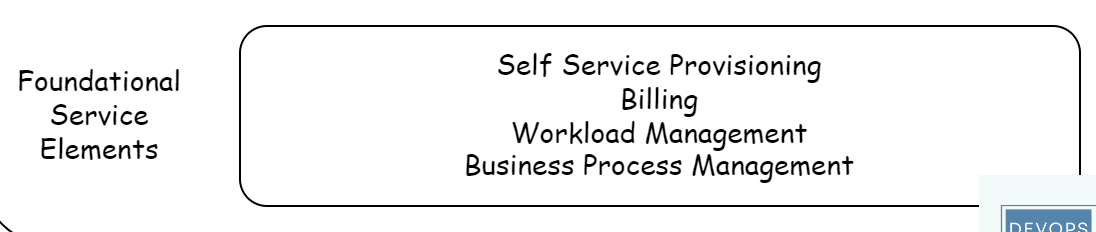
Let’s go through two characteristics: Billing and Self-Service Provisioning.
Billing
This is a very important characteristic of the public cloud. Users consume computing resources when they want, and are only charged for the resources they actually use and the time they use them.
To meet this requirement, a cloud provider has to design a platform that fulfills a user’s resource request immediately and starts billing. When the user stops using a resource, that resource is returned to the Resource Pool so other users can use it, and billing stops.
Self-Service Provisioning
This is the next important cloud characteristic. With self-service provisioning, users can use the provider’s website to select and use the service they want in just a few minutes.
For example, on AWS, if you need a virtual machine, you log into the AWS Web Console and create an EC2 instance to run it.
With a traditional data center model, when you need a virtual machine the first thing you do is file a request with IT. After going through complex procedures and payments, your request is approved. Then you wait for IT to configure the hardware, software, and related applications. This process can take days or weeks. With the cloud, it takes just a few minutes.
Management Services

The highest layer of cloud architecture consists of the characteristics that address the basic needs users care about regardless of which cloud provider they use, including: Security, Service Monitoring, Data Management, and Integration.
Security is always a critical characteristic because users always require their applications and data to be protected.
Service Monitoring gives users built-in monitoring services so they know what’s happening with their applications.
Data Management lets users move their data between different cloud providers and data centers.
Finally, Integration: the cloud must provide services that help users connect clouds to each other and to data centers, so they can build Hybrid Cloud or Multi-cloud models.
Conclusion
We’ve now covered the basic components and characteristics a cloud must have. In the next posts we’ll talk about the standards and how to manage a cloud environment.